Know Your Horse: Where Are the Withers and Why Do They Matter?
Know Your Horse: Where Are the Withers and Why Do They Matter?
Where are the withers on a horse, and why is it important to know about them? If you're starting horseback riding lessons, understanding the withers is essential for proper saddle fit, accurate horse measurement, and safe riding. The withers are the highest point of a horse's back, located at the base of the neck where the shoulder blades meet the spine. Knowing where the withers are—and why they matter—is a fundamental piece of horsemanship knowledge that every rider should understand.
What Are the Withers?
The withers are the bony ridge at the top of a horse's shoulder area, formed by the elongated spinous processes of the thoracic vertebrae. This is the highest point of the horse's back when the head is in a natural position, and it sits just behind the mane and above the shoulders. The withers serve as a critical anatomical landmark used for measuring a horse's height, fitting saddles, and understanding proper rider position.
Why Are the Withers Important for Saddle Fit?
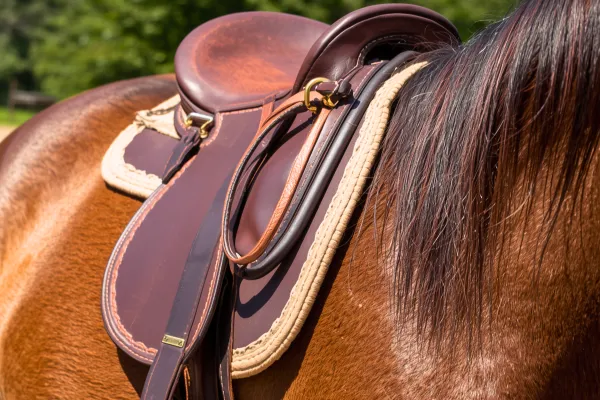
Proper saddle fit depends heavily on the shape and height of a horse's withers. A saddle that sits too low on the withers can cause painful pressure and restrict shoulder movement, while a saddle that's too high can create instability and discomfort for both horse and rider. Horses with high, prominent withers need saddles with extra clearance, while horses with low or flat withers require different saddle tree designs to prevent slipping. Learning about withers helps riders understand why saddle fit matters and how to recognize when a saddle isn't working properly.
Measuring a Horse's Height at the Withers
A horse's official height is always measured from the ground to the highest point of the withers, not the head or ears. This standardized measurement is expressed in "hands" (one hand equals four inches) and is used to classify horses by size, determine eligibility for competitions, and distinguish horses from ponies. For example, a 15-hand horse measures 60 inches from the ground to the withers. Understanding this measurement system is part of essential horse knowledge taught in beginner horsemanship lessons.
Wither Conformation and Its Impact
Horses have different wither shapes—some have high, prominent withers, while others have low, flat, or "mutton" withers. High withers provide better saddle stability but can be more prone to pressure sores if the saddle doesn't fit correctly. Low withers can make it challenging to keep a saddle in place, especially during active riding. Recognizing these differences helps riders appreciate why each horse may need individualized tack and care.
Common Wither Problems and Injuries
The withers are vulnerable to injury from ill-fitting saddles, excessive pressure, or trauma. Wither sores, also called saddle sores, develop when prolonged friction or pressure damages the skin and underlying tissue. In severe cases, horses can develop bursitis or fistulous withers, painful conditions that require veterinary treatment. Regular saddle checks, proper padding, and awareness of the withers' condition are essential parts of responsible horse care.
Why Riders Need to Know About Withers
Understanding the withers helps riders position themselves correctly in the saddle, recognize signs of discomfort in the horse, and communicate more effectively with instructors and trainers. When you know where the withers are, you can better understand cues like "sit just behind the withers" or "keep your hands above the withers." This anatomical knowledge builds confidence and improves your overall riding skills.
Learning About Horse Anatomy in Riding Lessons
At Bosque Equine Connections in Corrales, New Mexico, beginner horse lessons include hands-on education about horse anatomy, tack fitting, and proper grooming techniques. You'll learn to identify the withers and other key anatomical points, understand how they affect riding and horse care, and develop a well-rounded foundation in horsemanship—not just riding mechanics.
Beginner Horse Lessons at Bosque Equine Connections
At Bosque Equine Connections, we believe that understanding the horse is just as important as learning to ride. Our program includes weekly unmounted horsemanship lessons where students learn about horse anatomy, including the withers, along with grooming, tacking, horse behavior, and safety. This comprehensive approach ensures you become a knowledgeable, confident rider.
For riders ready to expand their skills further, our Bosque Equine Scholars program provides structured, hands-on experience with feeding, stall cleaning, tack upkeep, and daily horse care. You'll deepen your understanding of how horses move, what they need, and how to care for them properly—building responsibility and connection in a supportive environment.
Book Your First Horseback Riding Lesson
Ready to learn about horses from the ground up? Book your Introductory Lesson at Bosque Equine Connections in Corrales today and discover the difference that comprehensive horsemanship education makes. Whether you're curious about horse anatomy or simply want to start riding with confidence, our beginner-friendly horseback riding lessons will give you the knowledge and skills you need to succeed.