Wild Horses vs. Livestock: Understanding the Legal Distinction
Wild Horses vs. Livestock: Understanding the Legal Distinction
What is the legal difference between wild horses and livestock? This question has significant implications for how horses are managed, protected, and regulated across public and private lands. Under federal law, wild free-roaming horses are classified as protected wildlife managed by federal agencies, while domestic horses—including those on ranches and private property—are classified as livestock subject to state agricultural regulations. Understanding these legal distinctions helps clarify the management, ownership, and protection status of different horse populations, particularly in states like New Mexico where both wild and domestic horses are part of the landscape.
Federal Law: The Wild Free-Roaming Horses and Burros Act
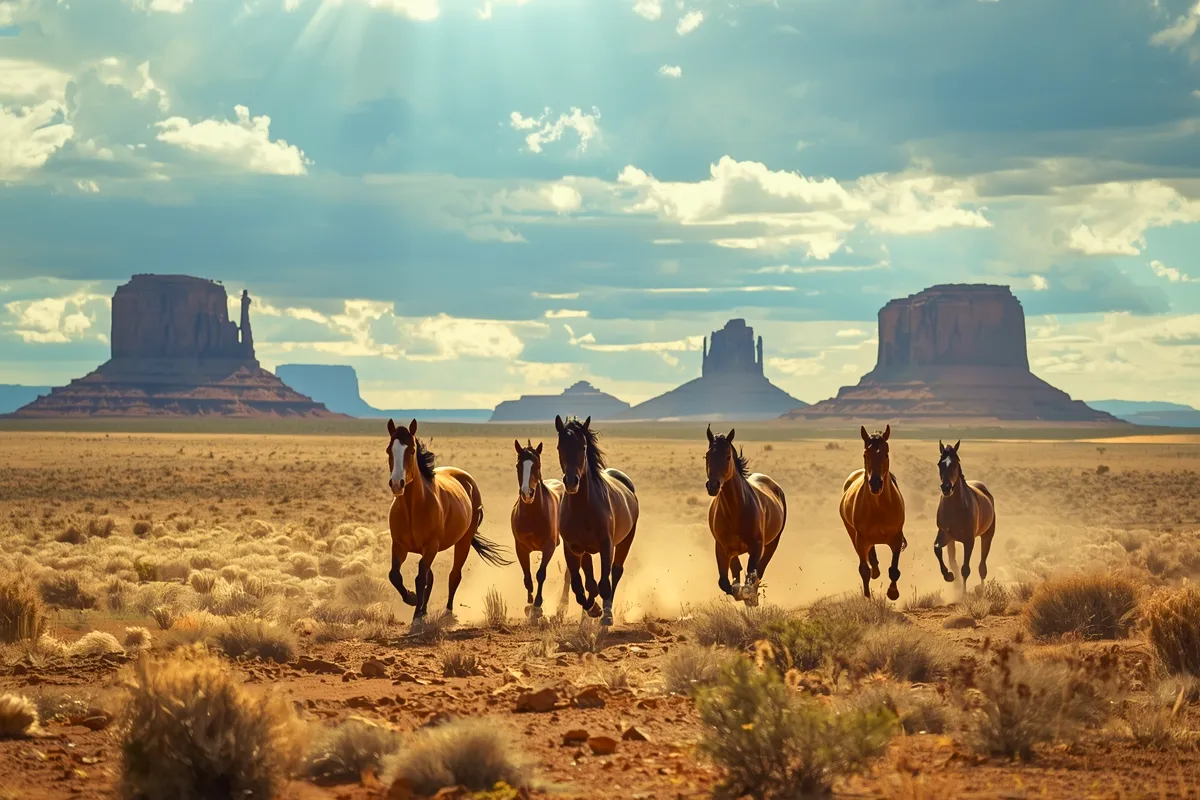
The Wild Free-Roaming Horses and Burros Act of 1971 established the legal framework that distinguishes wild horses from livestock. Under this federal law, wild free-roaming horses and burros are defined as unbranded and unclaimed animals that roam on public lands in areas where they were found in 1971. The Act declares them "living symbols of the historic and pioneer spirit of the West" and places them under the protection and management of the Bureau of Land Management (BLM) and U.S. Forest Service.
Critically, the Act states that wild horses are not considered livestock for legal purposes. They cannot be privately owned, hunted, sold for slaughter, or converted to commercial use without authorization through federal adoption programs. This designation protects wild horses from treatment as agricultural commodities.
Livestock Definition Under State and Federal Law
Livestock, by contrast, are domesticated animals raised for agricultural purposes, including horses used for work, recreation, breeding, or sale. Under state laws—including New Mexico statutes—livestock includes cattle, sheep, goats, swine, and domestic horses. Livestock are subject to brand inspection laws, animal health regulations, grazing permits on public lands, and standard agricultural practices.
Horse owners are responsible for their animals under livestock laws, which means horses kept on private or leased land are regulated as domestic animals. They can be bought, sold, bred, and used for commercial purposes without the restrictions that apply to wild horses.
The "Feral" Horse Category: A Legal Gray Area
The legal distinction becomes complicated with feral horses—domestic horses or their descendants that have escaped or been released and now live in the wild without human management. Feral horses are not protected under the Wild Free-Roaming Horses and Burros Act unless they were present on public lands during the 1971 survey.
In New Mexico, populations like the Placitas free-roaming horses in Sandoval County are technically classified as feral rather than wild because they were not documented during the 1971 baseline. This means they fall under state jurisdiction rather than federal protection, creating legal challenges for their long-term management.
Estray Laws and Abandoned Horses
When domestic horses (livestock) escape or are abandoned, they fall under state "estray" laws. These laws outline procedures for capturing, holding, and potentially rehoming unbranded or unclaimed animals. Estray horses retain their livestock classification and can be claimed by owners or sold through legal processes if unclaimed.
This differs significantly from wild horses, which cannot be legally removed from public lands except through authorized federal gathers and adoption programs.
Implications for Horse Owners and Land Managers
The legal distinction between wild horses and livestock affects multiple stakeholders:
Wild horse advocates work to protect federally recognized herds from removal and ensure humane management practices
Ranchers and landowners manage domestic horses as livestock under agricultural regulations and grazing agreements
Public land managers balance wild horse populations with other land uses, including livestock grazing, wildlife habitat, and recreation
Horse owners must comply with brand laws, health certificates, and property regulations that apply to livestock
Why Understanding Horse Legal Status Matters
For anyone working with horses—whether wild or domestic—understanding these legal categories builds awareness of the responsibilities and protections involved. At Bosque Equine Connections in Corrales, NM, beginner horse lessons include education about horse care, responsible ownership, and the broader context of horses in New Mexico's legal and cultural landscape.
Learning Responsible Horsemanship
Whether you're interested in wild horse conservation or learning to ride and care for domestic horses, comprehensive horsemanship education is essential. At Bosque Equine Connections, our program includes weekly riding and weekly unmounted lessons covering horse behavior, care, grooming, and the responsibilities that come with working with these remarkable animals.
For riders ready to deepen their knowledge and skills, our Bosque Equine Scholars program provides hands-on experience with feeding, stall cleaning, tack upkeep, and daily horse care—building a complete understanding of what it means to be a responsible horse person.
Book Your Beginner Horse Lessons
Ready to learn about horses and develop your riding skills in a supportive, educational environment? Book your introductory lesson at Bosque Equine Connections today and discover horseback riding lessons that teach both skills and responsibility. Whether you're curious about horse law or simply want to start riding, we're here to guide you every step of the way.