Wild Horses of New Mexico: Understanding Management, Protection, and Legal Status
Wild Horses of New Mexico: Understanding Management, Protection, and Legal Status
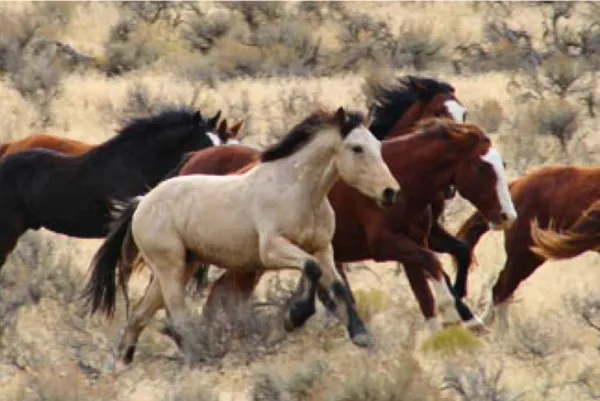
What is the management, protection, and legal status of wild horses (mustangs) in New Mexico? These iconic symbols of the American West are protected under the Wild Free-Roaming Horses and Burros Act of 1971, which declares them "living symbols of the historic and pioneer spirit of the West." In New Mexico, wild horses are managed by the Bureau of Land Management (BLM) and the U.S. Forest Service across designated herd management areas and wild horse territories, with current populations managed to balance ecological health, habitat sustainability, and the preservation of these remarkable animals.
Legal Protection Under Federal Law
Wild horses in New Mexico are protected under the Wild Free-Roaming Horses and Burros Act, passed by Congress in 1971. This landmark legislation prohibits the removal, harassment, or harm of wild horses and burros on public lands where they were found roaming in 1971. The law established federal responsibility for managing these animals and made it illegal to hunt them using aircraft or motor vehicles, pollute watering holes to trap them, or convert them to private use without authorization.
Where Wild Horses Roam in New Mexico
New Mexico is home to five designated wild horse and burro areas, with two managed by the BLM and three by the U.S. Forest Service. The BLM manages nearly 29,000 acres across two herd management areas with a combined appropriate management level of 83 animals. Key wild horse territories in New Mexico include:
Jicarilla Wild Horse Territory: 76,000 acres on the Carson National Forest, approximately 40 miles east of Bloomfield, with a management level of 50-105 horses
Caja del Rio Wild Horse Territory: 8,728 acres approximately 8 miles west of Santa Fe, confined by the town to the east and the Rio Grande to the west
Bordo Atravesado Herd Management Area: 19,605 acres approximately 15 miles northeast of Socorro, with 40-60 horses
Jarita Wild Horse Territory: 55,000 acres approximately 20 miles northeast of El Rito, with 20-70 horses
Carracas Herd Management Area: 8,999 acres south of the Colorado border near Navajo Lake, with 23 horses
The Placitas Free-Roaming Horses
One of the most well-known wild horse populations in the greater Albuquerque area is the free-roaming herd in Placitas, located in Sandoval County. These horses, descendants of Spanish mustang bloodlines, have lived in and around Placitas for generations. However, they are technically classified as "feral" rather than "wild" under federal law because they were not present during the 1971 survey.
Sandoval County has worked with community organizations like Placitas Wild and Mt. Taylor Mustangs to implement humane management strategies, including fertility control programs using PZP (Porcine Zona Pellucida), an industry-standard wildlife fertility control method.
Management and Population Control
The BLM and Forest Service are responsible for determining and maintaining appropriate management levels (AML) for each herd to achieve healthy wild horses on healthy public rangelands. Management strategies include fertility control, periodic gathers to remove excess animals, and monitoring herd health and habitat conditions. Removed horses are made available for adoption through the Wild Horse and Burro Adoption Program.
Challenges and Controversies
Managing wild horse populations involves balancing multiple concerns: preserving the horses as historic symbols, maintaining ecological balance, protecting habitat for wildlife and domestic livestock, and addressing public safety issues. In areas like Placitas, free-roaming horses have created challenges including vehicle collisions and debates over feeding practices.
Heritage and Cultural Significance
Wild horses in New Mexico represent living connections to the state's Spanish colonial history and the pioneering spirit of the American West. Many of these horses carry bloodlines from Colonial Spanish horses brought by conquistadors, making them valuable from both cultural and genetic perspectives.
Learning About Wild Horses and Horsemanship
Understanding wild horse behavior, management, and history deepens appreciation for all horses—whether wild or domesticated. At Bosque Equine Connections in Corrales, beginner horse lessons include education about horse behavior, history, and the importance of ethical horse care and management. Learning to ride and work with horses builds respect for these animals and their role in New Mexico's heritage.
Beginner Horse Lessons in Corrales
At Bosque Equine Connections, we offer beginner-friendly horseback riding lessons in Corrales that teach both riding skills and comprehensive horsemanship knowledge. Our program includes weekly riding lessons and weekly unmounted lessons covering horse behavior, anatomy, grooming, and care—helping you develop a complete understanding of horses.
For riders ready to deepen their involvement, our Bosque Equine Scholars program provides hands-on experience with feeding, stall cleaning, tack upkeep, and daily horse care in a structured, supportive environment.
Book Your Horseback Riding Lessons
Ready to learn more about horses and develop your riding skills? Book your introductory lesson at Bosque Equine Connections today and discover the rewarding experience of horseback riding lessons that honor the heritage and spirit of New Mexico's equestrian tradition.