English vs. Western: Which Saddle Starts Your Child’s Journey?
English vs. Western: Which Saddle Starts Your Child’s Journey?
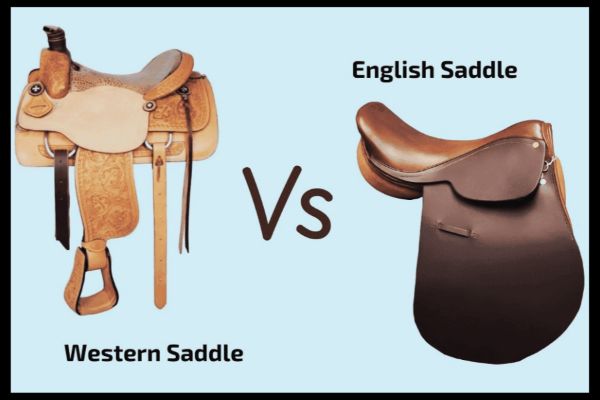
"Should my child start in an English or Western saddle?" It’s the most common question parents ask when their child falls in love with horses. While the silhouettes of the two disciplines look vastly different—one lean and athletic, the other sturdy and ornate—the answer isn't about choosing a side. It’s about building a foundation.
The truth is, for a beginning rider, the discipline matters less than the program. A top-tier lesson program focuses on the transfer of skills that apply to any saddle. Whether your child dreams of jumping fences or herding cattle, the "right" choice is the one that prioritizes safety, balance, and comprehensive horsemanship.
The Mounted Connection: Balance is Universal
In both English and Western riding, the goal is the same: to become a balanced, centered rider who communicates clearly with their horse.
In an English saddle, children often develop a closer feel for the horse’s back and learn to find their "post" (rising with the trot) early on.
In a Western saddle, the deeper seat and horn can provide a sense of security that builds initial confidence.
However, the core skills—steering with the seat and legs, maintaining a soft hand, and developing a "quiet" body—are identical. A child who learns to balance correctly in a Western saddle can transition to English with ease, and vice versa. At the start, we aren't training "specialists"; we are training equestrians.
The Unmounted Edge: Where Real Horsemen are Made
A truly great program doesn't stop when the child dismounts. Unmounted lessons are where the "transfer of skills" truly shines. Regardless of the tack used, every student must master:
Grooming and Health: Knowing how to care for the horse’s coat and check for injuries.
Tack Mechanics: Understanding how a bridle works and how to safely secure a cinch or a girth.
Equine Psychology: Learning how horses think, which keeps a child safe whether they are in a show ring or on a trail.
By focusing on these unmounted skills, children gain a sense of responsibility and confidence that transcends the specific style of riding.
The Local Choice: Bosque Equine Connections
For families in Corrales, NM, and the surrounding area—including Albuquerque, Rio Rancho, and Bernalillo—the search for the perfect start ends at here with us at Bosque Equine Connections.
Rather than forcing a choice between English or Western right away, we ensure that your child masters the essential groundwork required for both disciplines. Located in the beautiful heart of Corrales, their program is designed to create well-rounded riders who are as capable on the ground as they are in the saddle. By the time your child is ready to specialize, they will already have the technical foundation to succeed in any direction they choose.
Take the First Step
You don’t have to have all the answers to get started. The best way to see which style resonates with your child is to get them into the barn and near the horses.
Ready to start your child’s equestrian adventure? Book an introductory lesson today and let us help you find the perfect fit—no matter which saddle you choose!