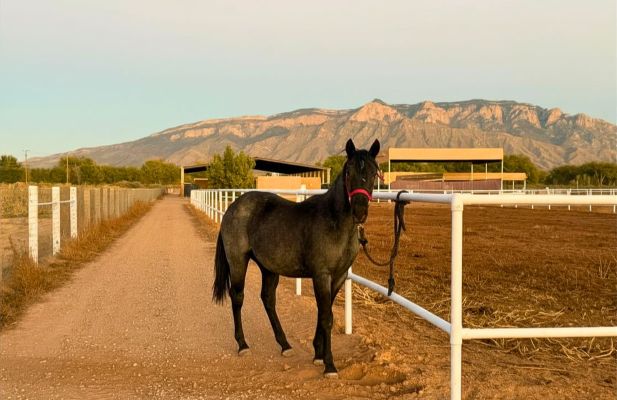
The Art and Science of Colt Training: Building a Foundation for Life
The Art and Science of Colt Training: Building a Foundation for Life
Colt training is one of the most critical phases in a young horse's development, laying the foundation for everything they'll learn throughout their lifetime. Whether you're a horse owner in the greater Albuquerque area considering professional training services or simply curious about how young horses learn, understanding the principles of colt training reveals the patience, expertise, and horsemanship knowledge required to develop a confident, well-mannered horse. At Bosque Equine Connections in Corrales, we believe that proper training—whether for colts or riders—starts with understanding, respect, and a comprehensive approach to horsemanship.
What Is Colt Training?
Colt training refers to the process of educating young horses, typically between the ages of two and four years old, in foundational skills and behaviors. This includes ground work, desensitization, leading, lunging, accepting tack, and eventually being ridden for the first time. The goal is to build trust, establish clear communication, and create a solid foundation that will serve the horse throughout its working life.
The Importance of Starting Right
How a colt is trained in its early years significantly impacts its temperament, willingness to learn, and overall safety as a riding horse. Horses that receive patient, consistent, and respectful training develop into confident partners. Conversely, rushed or harsh training methods can create fear, resistance, and dangerous behaviors that are difficult to correct later. This is why experienced trainers emphasize the importance of starting young horses correctly from the beginning.
Ground Work: The Foundation of Colt Training
Before a colt ever carries a rider, extensive ground work establishes respect, boundaries, and communication. This includes teaching the young horse to lead properly, stand tied, accept grooming and handling, pick up feet for hoof care, and respond to voice commands and body language cues. Ground work builds the horse's confidence and teaches them to look to their handler for guidance and reassurance.
Desensitization and Exposure
Young horses are naturally cautious and can be easily startled by unfamiliar objects, sounds, and situations. A critical part of colt training involves systematic desensitization—gradually exposing the horse to tarps, flags, water, clippers, saddle pads, and other stimuli in a controlled, non-threatening way. This process teaches the colt to remain calm and trust their handler even when encountering something new.
Introducing Tack and Equipment
Once a colt is comfortable with ground work and desensitization, training progresses to accepting equipment. This includes wearing a halter and lead rope, accepting a bit and bridle, and eventually carrying a saddle. Each piece of equipment is introduced gradually, with plenty of time for the horse to adjust and accept it without fear. Rushing this process can create lifelong anxiety around tacking up.
First Rides: Patience and Timing
The first time a colt is ridden is a milestone that requires careful preparation and timing. Most trainers begin with ground driving, where the horse learns to respond to rein cues while the trainer walks behind them. Eventually, when the colt demonstrates consistent calmness and understanding, a rider is gradually introduced—first by simply leaning over the saddle, then mounting briefly, and finally riding at a walk. This incremental approach minimizes stress and builds confidence.
The Role of Consistency and Routine
Colts thrive on consistency. Regular training sessions at the same time of day, using the same cues and expectations, help young horses understand what's being asked of them. Inconsistent handling or mixed signals confuse colts and slow their progress. Professional trainers understand the importance of clear, patient, and repetitive instruction.
Why Professional Colt Training Matters
While some experienced horse owners train their own colts, many choose to work with professional trainers who have the expertise, facilities, and time to dedicate to the process. Professional colt training ensures that young horses receive proper foundation work, reducing the risk of developing bad habits or dangerous behaviors. For horse owners in the Albuquerque area, partnering with knowledgeable professionals can make all the difference in a young horse's development.
Learning Horsemanship Through Understanding Training
Even if you're not training a colt yourself, understanding the training process deepens your appreciation for what goes into creating a safe, well-trained horse. At Bosque Equine Connections in Corrales, beginner horse lessons include education about horse behavior, training principles, and the importance of clear communication—giving riders insight into how horses think and learn.
Building Your Own Horsemanship Foundation
Just as colts need a strong foundation, so do riders. Our comprehensive program includes weekly riding lessons and weekly unmounted horsemanship lessons where students learn grooming, tacking, horse behavior, and safety. For those ready to expand their knowledge, our Bosque Equine Scholars program offers hands-on experience with daily horse care, barn duties, and observation of training practices—building a deep, well-rounded understanding of horsemanship.
Book Your Horseback Riding Lessons
Whether you're curious about horse training or ready to start your own riding journey, Bosque Equine Connections offers beginner-friendly horseback riding lessons that teach both riding skills and comprehensive horsemanship knowledge. Book your introductory lesson today and discover the rewarding world of working with horses at every level.