Why Lesson Horses Need Time Off Too
Why Lesson Horses Need Time Off Too
The surprising truth about the school horses that never say no — and why the kindest thing we can do for them is occasionally let them say nothing at all.
Do lesson horses need time off? The short answer: yes, lesson horses need regular breaks — and it isn't a luxury, it's maintenance. A horse that teaches beginner riders five or six days a week is doing some of the hardest work in the barn: absorbing wobbly hands, uneven balance, and inconsistent cues, lesson after lesson, without complaint. Periodic time off from the lesson program isn't wasted pasture time. It's what keeps a good lesson horse a good lesson horse — patient, sound, and willing — for years instead of seasons.
The hidden cost of the "bombproof" horse
Lesson horses earn their reputation by tolerating what other horses wouldn't: kicked ribs, bounced seats, held-too-tight reins, or a nervous beginner freezing mid-circle. That tolerance is a trained, learned behavior — not a personality trait — and like any learned behavior, it takes energy to maintain. Physically, these horses absorb repetitive strain on the same muscles and joints, often at the same gaits, in the same arena, week after week. Mentally, they're managing human error constantly, with little room to simply be a horse.
Without a break, that steady wear shows up as one of two problems: physical fatigue that shortens a horse's working life, or a behavioral shutdown that trainers call barn sour — a horse that becomes reluctant, resistant, or anxious specifically around the lesson routine.

What "barn sour" actually looks like
Barn sour isn't misbehavior for its own sake — it's a horse communicating that it has run out of patience to give. Recognizing it early is the difference between a horse that needs a week off and one that needs months of rehabilitation.
·Rushing back to the barn. A once-relaxed horse starts anticipating the end of the ride, ignoring aids to get there faster.
·Balking or planting. Refusing to leave the mounting area, the gate, or other horses.
·Dull, checked-out energy. A horse that once responded willingly now needs escalating pressure just to get a walk-trot transition.
·Ear pinning or girthiness at tacking up. Anticipatory stress that shows before the ride even starts.
·Weight loss or dull coat despite good feed. Chronic low-grade stress affects the body, not just behavior.
How a break actually rejuvenates a horse
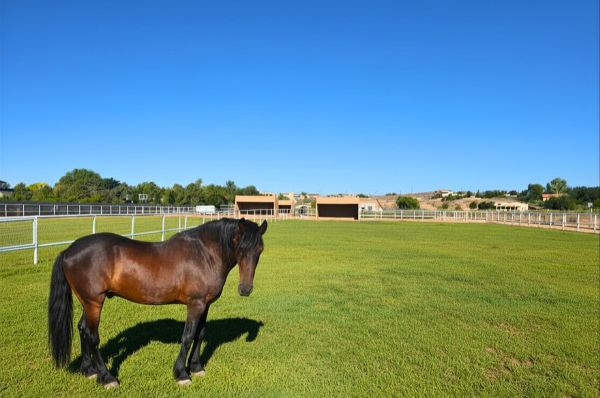
Rest works on a lesson horse the same way it works on any athlete or teacher: it isn't idle time, it's recovery time. Turned out with the herd, off the lesson roster for a week or two, a horse gets to move at its own pace, graze without an agenda, and rebuild the parts of its body and mind that a lesson schedule quietly drains.
Muscles and joints recover. Repetitive-strain soreness from carrying unbalanced riders has time to settle before it becomes a soundness issue.
The nervous system resets. Time in the herd, with no human requests to manage, lowers baseline stress and restores a horse's patience reserves.
Willingness returns. Horses that come back from a rest period are consistently more responsive and forward than horses pulled straight through a long season.
Trust in the program is preserved. A horse that associates the arena with occasional relief, not endless demand, stays a willing partner for far longer.
A well-run lesson program builds in rest
This is why the best lesson barns rotate their string rather than running the same few horses every single day. A rotation schedule, regular turnout days, and a genuine off-season aren't signs of a smaller program — they're signs of one built for the horses' long-term soundness and temperament, not just this month's booking calendar. A lesson horse that's rested is a safer horse, too: a relaxed, willing horse is far more predictable and forgiving for a nervous beginner than a burned-out one going through the motions.
Here in Corrales, along the bosque, that philosophy fits naturally with how horses have always been kept in this valley — worked hard, but respected as partners, with real time to simply be horses between the work. It's part of why our lesson string stays sound, willing, and genuinely happy to see beginners walk into the barn.
Begin your journey with us
A well-rested horse makes a better teacher. Come meet ours — book your introductory lesson at Bosque Equine Connections and feel the difference a well-cared-for lesson horse makes.